Nepal is one of the most beautiful trekking countries in the world. The land where giant mountains touch the sky, deep valleys hide many villages, and ancient culture still lives in everyday life. Every year thousands of travelers come here for trekking. They come for adventure, peace, challenge, and also for the powerful beauty of the Himalaya.
Among all trekking routes in Nepal, some treks have become legendary. These treks show the real heart of the Himalayas. They are famous because of landscapes, culture, mountain views, and unforgettable journeys.
In this ultimate guide we explore the most iconic adventures in Nepal. The famous Everest Base Camp Trek, the peaceful Pikey Peak Trek, the thrilling Everest Three Pass Trek, and the legendary Annapurna Circuit Trek. Each trek is different. Each trail gives a new story. And every step feels like walking inside a dream.
Nepal—The Paradise for Trekking Lovers
Nepal is a small country but full of mountains. Eight of the world’s fourteen highest mountains stand here. The Himalayas dominate the skyline, and between those giant peaks lie forests, rivers, villages, and ancient monasteries.
Trekking in Nepal is not only about walking. It is about experience. When trekking, you see prayer flags flying in the cold wind. You hear the bells of yak caravans. You meet local Sherpa, Gurung, and Rai people who live simple but strong lives in the mountains.
Trails go through forests, suspension bridges, alpine valleys, and glaciers. Some routes are crowded because they are very famous. Some trails are quiet and hidden. But every trek in Nepal offers beauty that stays forever in memory.
Now let us explore the best adventures.
Everest Base Camp Trek—The Legendary Himalayan Journey
Walking to the Foot of the World’s Highest Mountain
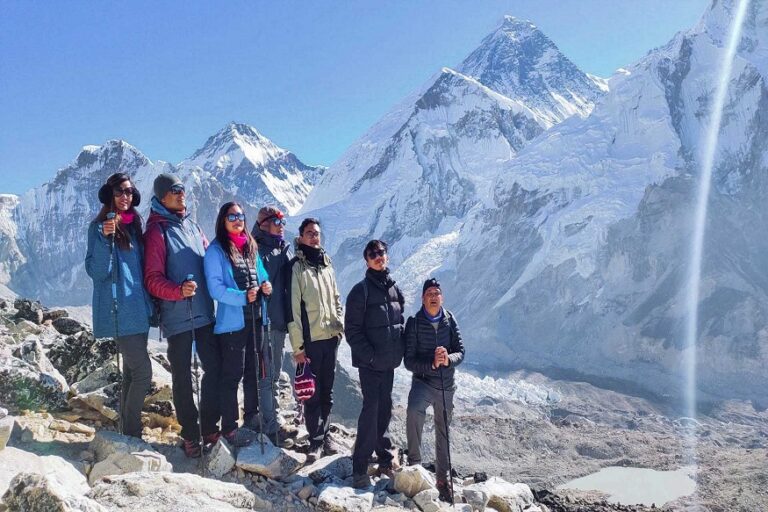
The Everest Base Camp Trek is one of the most famous trekking adventures on earth. Many trekkers dream their whole lives of standing at the base of Mount Everest.
The journey usually starts with an exciting flight to Lukla. The small mountain airport sits between cliffs and hills. From here the trail begins through villages like Phakding and Namche Bazaar.
Namche Bazaar is the heart of the Khumbu region. A busy Sherpa town surrounded by mountains. Trekkers rest here for acclimatization while enjoying bakeries, markets, and amazing mountain views.
Read More: The Value of Choosing Premium Hotel Rooms at an Affordable Rate
After Namche the trail slowly climbs higher into the Himalayas. The air becomes thinner. The landscapes become more dramatic. Prayer wheels, monasteries, and stone walls line the path.
Highlights of the Everest Base Camp Trek
One of the best moments of the trek is reaching Tengboche Monastery. This monastery sits in a beautiful valley with giant mountains around. From here trekkers see the majestic Everest, Ama Dablam, and Lhotse.
The trail continues through Dingboche and Lobuche. Vegetation becomes less, and the land looks wild and powerful. Finally, trekkers reach Everest Base Camp, standing at 5,364 meters.
The feeling is incredible. Massive glaciers surround the area. Colorful tents of climbing expeditions are sometimes visible. And above everything stands Mount Everest.
Another unforgettable experience is climbing Kala Patthar viewpoint. From here the sunrise view of Everest is breathtaking. The golden light touching the mountain is something words cannot fully explain.
Pikey Peak Trek—The Hidden Gem of the Everest Region
A Quiet Trek with the Best Everest View
Not every trek in Nepal is crowded. Some routes are still peaceful and calm. The Pikey peak trek is one of those hidden treasures.
Located in the lower Everest region, this trek offers incredible Himalayan scenery but without large tourist crowds. The trail passes through traditional villages, forests, and rolling hills.
This trek is also culturally rich. Trekkers walk through villages of Sherpa and Rai communities. Old monasteries and prayer flags decorate the path. Life here is slow, simple, and very beautiful.
Why Pikey Peak Trek Is Special
Many trekkers say Pikey Peak offers one of the best panoramic views of Mount Everest. Even famous mountaineer Sir Edmund Hillary once said this.
The summit of Pikey Peak is about 4,065 meters high. From the top you can see a wide range of Himalayan giants, including Everest, Makalu, Kanchenjunga, and Annapurna.
Sunrise here is magical. Mountains slowly appear from darkness. The sky turns orange and pink. The wind moves the prayer flags gently.
The trek itself is moderate. Trails pass through rhododendron forests, grassy ridges, and quiet villages. It is the perfect trek for people who want Himalayan beauty but fewer crowds.
Everest Three Pass Trek—The Ultimate Himalayan Challenge
Adventure for Strong Trekkers
For trekkers who want a bigger adventure, the Everest Three pass trek is the ultimate journey in the Everest region.
This trek is longer and more difficult than the normal Everest Base Camp trek. It crosses three high mountain passes above 5,000 meters. Because of this, it is considered one of the most challenging treks in Nepal.
But the rewards are extraordinary.
The Three Famous High Passes
The trek includes crossing Kongma La Pass, Cho La Pass, and Renjo La Pass. Each pass offers breathtaking views of the Himalayas.
Kongma La is usually the first pass. The climb is steep and rocky, but the views of glaciers and peaks are amazing.
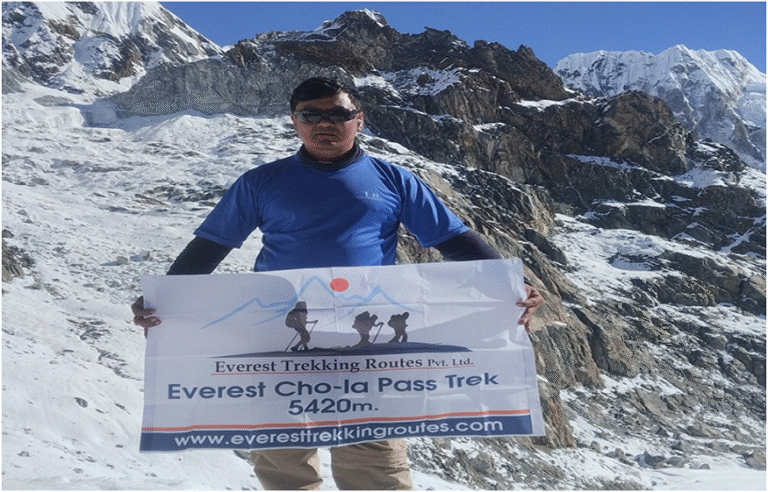
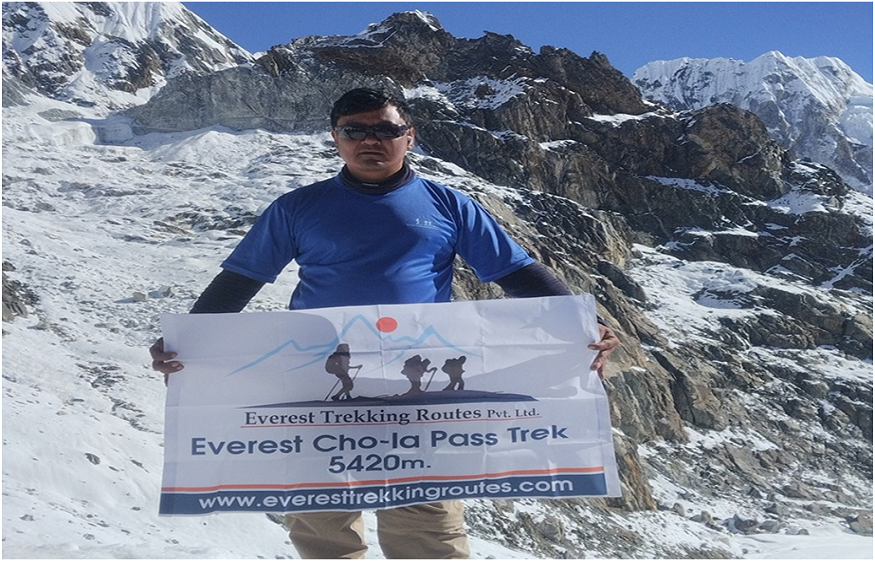
Cho La Pass connects the Everest Base Camp trail with the beautiful Gokyo Valley. Trekkers walk over icy terrain and frozen landscapes.
Renjo La Pass is the last one. Many trekkers say it offers the most spectacular view in the entire Khumbu region. The turquoise Gokyo lakes shine below while Everest stands tall in the distance.
What Makes the Everest Three Pass Trek Unique
This trek combines many highlights in one journey. Trekkers visit Everest Base Camp, climb Kala Patthar, explore Gokyo Lakes, and cross high mountain passes.
It is a real adventure trek. Remote valleys, glaciers, dramatic landscapes, and less crowded trails make this journey unforgettable.
However, good physical fitness and proper acclimatization are very important. The altitude is high, and weather can change quickly.
Still, for adventure lovers, this trek is truly the ultimate Himalayan expedition.
Annapurna Circuit Trek—The Classic Himalayan Trail
One of the World’s Most Beautiful Treks
The Annapurna Circuit Trek is another legendary adventure in Nepal. For many years it has been considered one of the greatest trekking routes in the world.
This trek circles the entire Annapurna mountain range. Because of that, trekkers experience a huge variety of landscapes and cultures.
The journey usually begins in the lush lowlands. Rice fields, waterfalls, and green forests dominate the scenery. Villages of Gurung and Magar communities welcome trekkers warmly.
As the trail climbs higher, the environment slowly changes.
Crossing the Mighty Thorong La Pass
The biggest challenge of the Annapurna Circuit is Thorong La Pass, which stands at 5,416 meters. Crossing this high pass is a major achievement for trekkers.
The climb begins early in the morning before sunrise. Cold winds blow across the mountains. But when trekkers reach the top, the feeling is incredible.
Prayer flags cover the summit. Snowy mountains stretch in every direction.
After crossing the pass, the landscape changes dramatically. The trail descends into the Mustang region, where the terrain becomes dry and desert-like.
Cultural and Scenic Diversity of the Circuit
One of the most interesting parts of the Annapurna Circuit is the cultural diversity. Different ethnic groups live along the trail, including Gurung, Thakali, and Tibetan-influenced communities.
Trekkers pass through traditional villages, Buddhist monasteries, and apple orchards. The famous village of Manang is a popular acclimatization stop.
Further down the trail, many trekkers visit Muktinath Temple, an important pilgrimage site for both Hindus and Buddhists.
The changing landscapes make this trek very special. From tropical forests to high alpine deserts, the Annapurna Circuit feels like many treks in one journey.
Best Time for Trekking in Nepal
Choosing the right season is important for trekking success.
The best trekking seasons in Nepal are spring (March to May) and autumn (September to November). During these months the weather is stable and mountain views are clear.
Spring brings blooming rhododendron forests, which make trails colorful and beautiful. Temperatures are moderate, and skies are often clear.
Autumn is the most popular season. After the monsoon rains the air becomes fresh and visibility is excellent. The mountains appear sharp and majestic.
Winter trekking is possible but very cold at high altitudes. Summer trekking is difficult because of heavy monsoon rains and slippery trails.
Trekking Preparation and Important Tips
Before starting any Himalayan trek, good preparation is necessary.
Physical fitness is important. Trekkers should train by walking long distances and building endurance. Strong legs and good stamina help a lot on mountain trails.
Altitude sickness is another important factor. Trekkers must walk slowly and allow time for acclimatization. Drinking water and resting properly helps the body adjust to high altitude.
Good trekking gear is also essential. Warm clothing, strong trekking boots, sleeping bags, and proper backpacks make the journey safer and more comfortable.
Hiring experienced guides and porters is also very helpful. They know the trails, weather patterns, and local culture.
Final Thoughts—Discover the Magic of Nepal’s Treks
Nepal is truly a dream destination for trekking lovers. Every trail in this Himalayan country offers something unique and unforgettable.
The Everest Base Camp Trek gives the chance to stand below the highest mountain on earth. The peaceful Pikey Peak Trek offers quiet trails and amazing Everest views. The challenging Everest Three Pass Trek pushes adventurers across dramatic high passes. And the legendary Annapurna Circuit Trek shows incredible landscapes and cultures.
Each trek is different. Each journey creates memories that stay for a lifetime.
Walking through the Himalayas is more than just an adventure. It is a personal experience. The mountains teach patience, strength, and respect for nature.
When the sun rises over snow peaks, when prayer flags dance in the wind, when tired trekkers finally reach a high pass—those moments become part of the soul.
That is the magic of trekking in Nepal. And once you walk these trails, you always want to come back again.
Contact Details
——————————–
Company address: Everest Trekking Routes Pvt. Ltd.
16 Khumbu, Nayabazaar, Kathmandu, Nepal
Mobile: +977-9843467921 (Rabin)
Email: info@everesttrekkingroutes.com
URL:– www.everesttrekkingroutes.com
About the Author